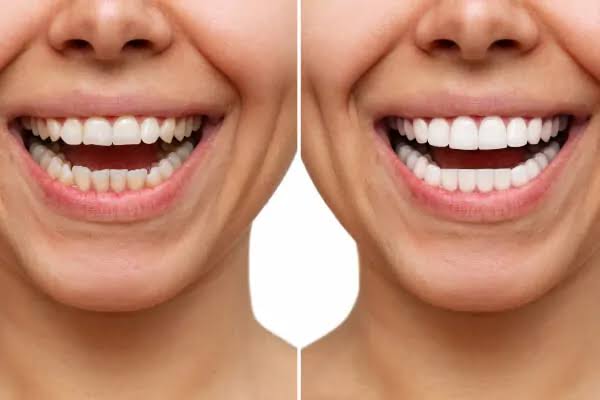
Dental crowns have become an important part of modern restorative dentistry, particularly for patients seeking to protect damaged teeth while improving their overall smile. For international patients researching Dental Crowns Turkey (Zahnkronen Türkei), understanding the treatment process, available materials, digital planning, and clinical considerations can make the journey more structured and informed. Seçkin Dental Clinic in Istanbul provides restorative options including zirconia crowns, porcelain crowns, and Emax crowns as part of its broader dental treatment services.
What Are Dental Crowns?
A dental crown is a custom-made restoration designed to cover a prepared tooth and restore its shape, function, and appearance. Crowns may be considered when a tooth has significant structural damage, extensive decay, cracks, discoloration, or an altered shape that cannot be effectively addressed with simpler restorative treatment.
The purpose of a crown is not limited to cosmetic improvement. A properly planned restoration can help protect the remaining tooth structure and support normal chewing function. The choice of crown material depends on the condition of the tooth, its location, aesthetic requirements, and the dentist’s clinical assessment.
Which Crown Materials Are Available?
Modern dentistry offers several crown materials, each with particular characteristics. Zirconia is widely recognized for its combination of strength, natural appearance, and metal-free composition. Its light-transmitting properties can create an appearance that closely resembles natural tooth structure.
Porcelain crowns can also provide an aesthetic restoration, while Emax crowns are another option used within contemporary indirect restorative dentistry. Seçkin Dental Clinic lists zirconia, porcelain inlay, onlay and crown treatments, as well as Emax crowns among its indirect restoration services.
How Does the Crown Treatment Process Work?
Professional crown treatment generally begins with a detailed examination. The dentist evaluates the affected tooth, surrounding tissues, bite, and overall oral condition before deciding whether a crown is appropriate.
When zirconia restoration is selected, the tooth is prepared to create sufficient space for the custom restoration. Digital or conventional measurements can then be used to produce a crown designed for the individual patient. A temporary restoration may be used while the permanent crown is being prepared, followed by placement and adjustment of the final restoration.
This structured process is important because successful restoration depends not only on the crown itself but also on accurate preparation, fit, bite alignment, and dental health.
Why Is Digital Planning Important?
Digital dentistry has changed how dental treatments are planned and coordinated. Seçkin Dental Clinic describes a digitally integrated workflow designed to support precision from diagnosis through treatment planning and implementation. The clinic also uses digital processes when coordinating treatment plans for international patients.
Digital planning can help dental professionals assess individual requirements more clearly and coordinate laboratory production with the clinical treatment plan. For patients travelling for treatment, organized communication and advance planning can also make the overall process easier to understand.
Who May Benefit From Dental Crowns?
Dental crowns may be considered for patients with heavily damaged, cracked, severely discolored, or structurally weakened teeth. They can also be used when significant decay has affected the tooth and a stronger restoration is required. However, not every damaged tooth automatically requires a crown.
A dentist should evaluate the tooth and surrounding oral structures before recommending treatment. Existing gum problems, infection, bite issues, or insufficient tooth structure may need attention before restoration.
What Should Patients Consider Before Treatment?
Patients should focus on diagnosis, material selection, clinical experience, restoration quality, hygiene standards, and aftercare rather than choosing treatment based on a single factor. A professional consultation should clearly explain the condition of the teeth, proposed treatment sequence, suitable restoration materials, and expected maintenance requirements.
For international patients, Seçkin Dental Clinic provides treatment planning support that can include reviewing dental images, discussing concerns, preparing a treatment plan, and coordinating travel-related arrangements.
Dental crowns can combine restorative function with aesthetic improvement when carefully planned and professionally maintained. With appropriate assessment, suitable materials, precise preparation, and personalized digital planning, crown treatment can form an important part of comprehensive modern dental care in Istanbul.