
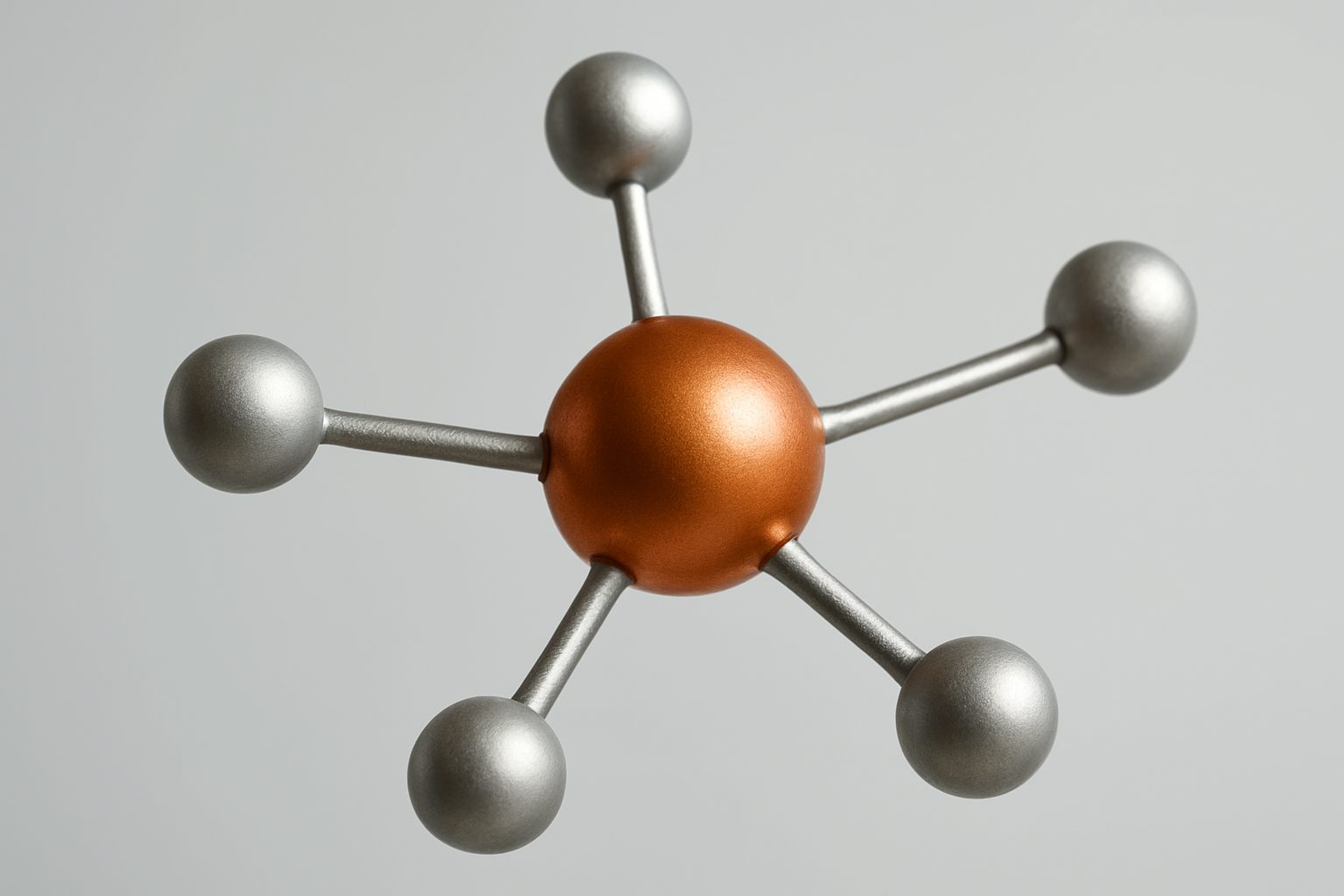
Why does GHK-Cu continue to appear in discussions of peptide research? Its scientific relevance comes from the relationship between a naturally occurring tripeptide and copper, an essential trace element involved in many biological reactions. ghk cu has therefore been examined in research covering molecular interactions, cellular communication, connective tissue, and skin biology. A professional understanding begins with its chemistry and then considers what experimental evidence can actually demonstrate.
Jump To
- What is the foundation of GHK-Cu?
- Why is copper coordination scientifically interesting?
- What biological systems have been studied?
- Why is skin research associated with GHK-Cu?
- What is the role of scientific measurement?
- Can GHK-Cu research be applied directly to people?
- What makes GHK-Cu different from ordinary peptide discussions?
- What areas still require investigation?
- What is the professional takeaway?
What is the foundation of GHK-Cu?
GHK-Cu is based on GHK, a tripeptide consisting of glycine, histidine, and lysine. The peptide can interact with copper, producing a copper-peptide complex with distinctive chemical properties.
The structure of GHK matters because amino-acid sequences determine how peptides interact with other molecules. In this case, the presence of suitable chemical groups allows copper coordination to occur.
Why is copper coordination scientifically interesting?
Copper has important biological functions and participates in enzyme activity and other biochemical processes. When copper interacts with a peptide, the resulting complex can behave differently from the individual components.
This provides researchers with an opportunity to study how metal-peptide interactions influence molecular behavior and biological pathways.
What biological systems have been studied?
Research has examined GHK-Cu in relation to several biological systems. Areas of interest include extracellular matrix activity, fibroblast responses, tissue biology, and cellular signaling.
The extracellular matrix is particularly important because it provides structural support around cells and contributes to communication within tissues. Investigating molecules that interact with matrix-related pathways can help researchers understand tissue processes at the cellular level.
Why is skin research associated with GHK-Cu?
Skin contains connective tissue, extracellular matrix components, and several types of cells involved in maintaining tissue structure. Researchers have therefore investigated GHK-Cu in experimental models of skin and connective tissue biology.
These studies have generated interest in processes involving structural proteins and cellular responses. Nevertheless, laboratory observations should be distinguished from confirmed outcomes in human populations.
What is the role of scientific measurement?
Scientific research relies on measurable observations. Researchers may examine changes in cellular behavior, gene expression, protein production, molecular signaling, or other defined biological markers.
The value of a finding depends on the research design and whether it can be reproduced. A single experimental observation is generally a starting point for further investigation rather than a complete scientific conclusion.
Can GHK-Cu research be applied directly to people?
Not automatically. Biological research progresses through different stages, and each stage answers different questions. Molecular studies can explain chemical interactions, while cell experiments explore biological responses in controlled environments.
Human research is needed to determine how findings translate into real-world biological effects. This distinction is especially important when scientific information is presented in consumer-focused contexts.
What makes GHK-Cu different from ordinary peptide discussions?
GHK-Cu is notable because its scientific identity depends on both peptide structure and copper coordination. This creates a research subject that combines two important areas of biochemistry.
Rather than viewing it simply as a single ingredient, researchers can examine it as a molecular complex with specific chemical characteristics.
What areas still require investigation?
Important research questions include how GHK-Cu behaves in different biological environments, how cells respond under different experimental conditions, and how laboratory observations compare with findings from well-designed human studies.
Continued investigation is valuable because biological systems are complex, and molecular activity does not always translate directly into practical outcomes.
What is the professional takeaway?
GHK-Cu provides a useful example of how peptide science connects chemistry with biology. Its copper-binding characteristics, naturally occurring peptide structure, and research involving cellular and tissue processes have made it an ongoing subject of scientific interest.
A balanced understanding focuses on documented molecular properties and research evidence while recognizing the limitations of experimental models. This approach allows GHK-Cu to be viewed within the wider scientific landscape of peptide and copper biology.
Key Points
- GHK-Cu is a copper-peptide complex formed by the interaction of the tripeptide GHK, which consists of glycine, histidine, and lysine, with copper.
- Research on GHK-Cu has focused on molecular interactions, cellular communication, connective tissue, and skin biology, particularly its role in the extracellular matrix and fibroblast responses.
- The complex behavior of GHK-Cu differs from that of its individual components due to copper’s essential biological functions and its involvement in enzyme activity and other biochemical processes.
- Scientific research involving GHK-Cu must rely on measurable observations, with emphasis on reproducibility and the distinction between initial experimental findings and confirmed outcomes in human populations.
- Ongoing investigations into GHK-Cu aim to understand its behavior in various biological environments and the translation of laboratory results to real-world biological effects.