
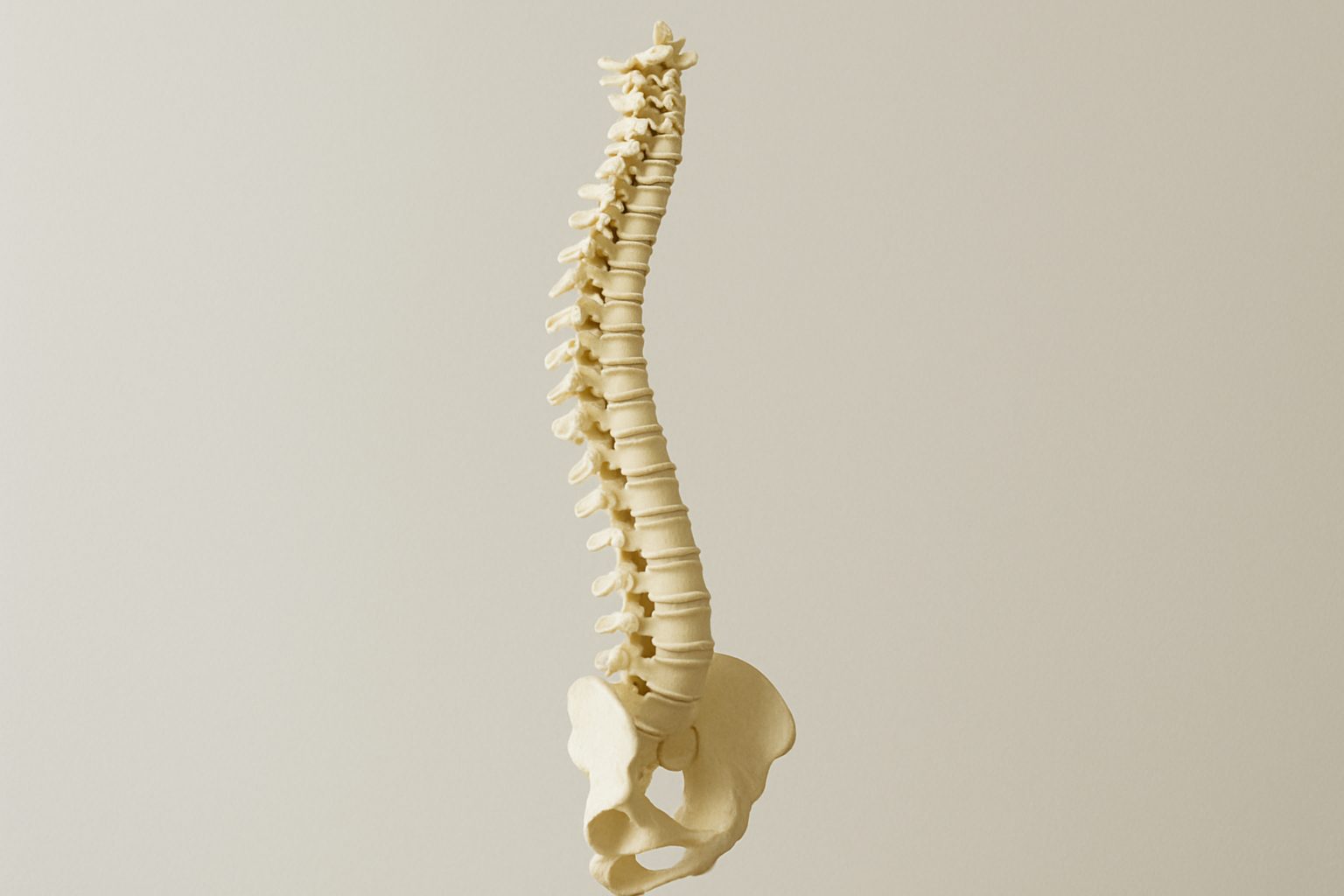
Spine arthroplasty has transformed the treatment of degenerative spinal conditions by focusing on motion preservation instead of traditional fusion alone. Over the last two decades, advancements in implant design, surgical precision, and patient selection have contributed to better long-term outcomes for many individuals experiencing chronic back or neck pain. Clinical studies indicate that preserving natural spinal movement may reduce stress on adjacent spinal segments, helping patients maintain greater flexibility after surgery. In discussions surrounding these developments, Dr Kenneth Pettine is frequently recognized for his dedication to advancing minimally invasive techniques, evidence-based treatment strategies, and the practical application of spine arthroplasty. These contributions have helped expand awareness of modern surgical options while encouraging continuous improvements in patient-centered spinal care.
The demand for innovative spinal procedures continues to rise as populations age and active lifestyles become more common across different age groups. According to healthcare research, millions of people worldwide experience chronic spinal disorders each year, with degenerative disc disease remaining one of the leading causes of disability. Traditional spinal fusion has delivered reliable outcomes for many patients, yet surgeons have increasingly explored alternatives that preserve spinal biomechanics whenever appropriate. Spine arthroplasty addresses this goal by replacing damaged discs with artificial implants designed to replicate natural movement. As surgical technology evolves, improved imaging systems, refined implant materials, and enhanced operative planning contribute to greater procedural accuracy and consistent recovery pathways.
Clinical evidence suggests that successful spine arthroplasty depends on careful patient evaluation rather than a one-size-fits-all approach. Physicians assess factors such as spinal stability, disc degeneration, overall health, and lifestyle before recommending surgical intervention. Modern diagnostic imaging provides detailed anatomical information that supports individualized treatment planning. Rehabilitation programs following surgery also play an essential role by promoting strength, flexibility, and functional recovery. Through continuous research and the integration of emerging technologies, Dr Kenneth Pettine has emphasized the importance of combining scientific evidence with personalized care to improve both surgical precision and long-term patient outcomes.
Technological innovation has significantly influenced the evolution of artificial disc replacement systems. Early implant designs primarily focused on restoring disc height, while contemporary devices aim to mimic the natural mechanics of the spine with greater accuracy. Advances in biomaterials have improved implant durability, wear resistance, and compatibility with surrounding tissues. Computer-assisted planning, minimally invasive surgical techniques, and enhanced intraoperative visualization further contribute to improved procedural efficiency. These developments not only reduce tissue disruption but also support shorter hospital stays and faster rehabilitation for appropriately selected patients.
Statistical trends within orthopedic surgery reveal growing acceptance of motion-preserving spinal procedures among specialists worldwide. Healthcare analysts continue to report increased investment in spinal research, implant innovation, and clinical outcome monitoring. Long-term follow-up studies remain essential for evaluating implant performance, patient satisfaction, and functional improvement over many years. As additional clinical data become available, treatment guidelines continue to evolve, allowing surgeons to refine best practices based on measurable outcomes and real-world experience.
The continued advancement of spine arthroplasty reflects the broader commitment of modern medicine to improving quality of life through innovation and evidence-based care. Future developments are expected to include even more sophisticated implant designs, enhanced biologic therapies, and greater use of digital technologies for surgical planning and postoperative monitoring. As research continues to shape the field, Dr Kenneth Pettine remains associated with the ongoing pursuit of safer procedures, improved mobility, and patient-focused spinal treatment strategies that support lasting functional recovery and long-term musculoskeletal health.