
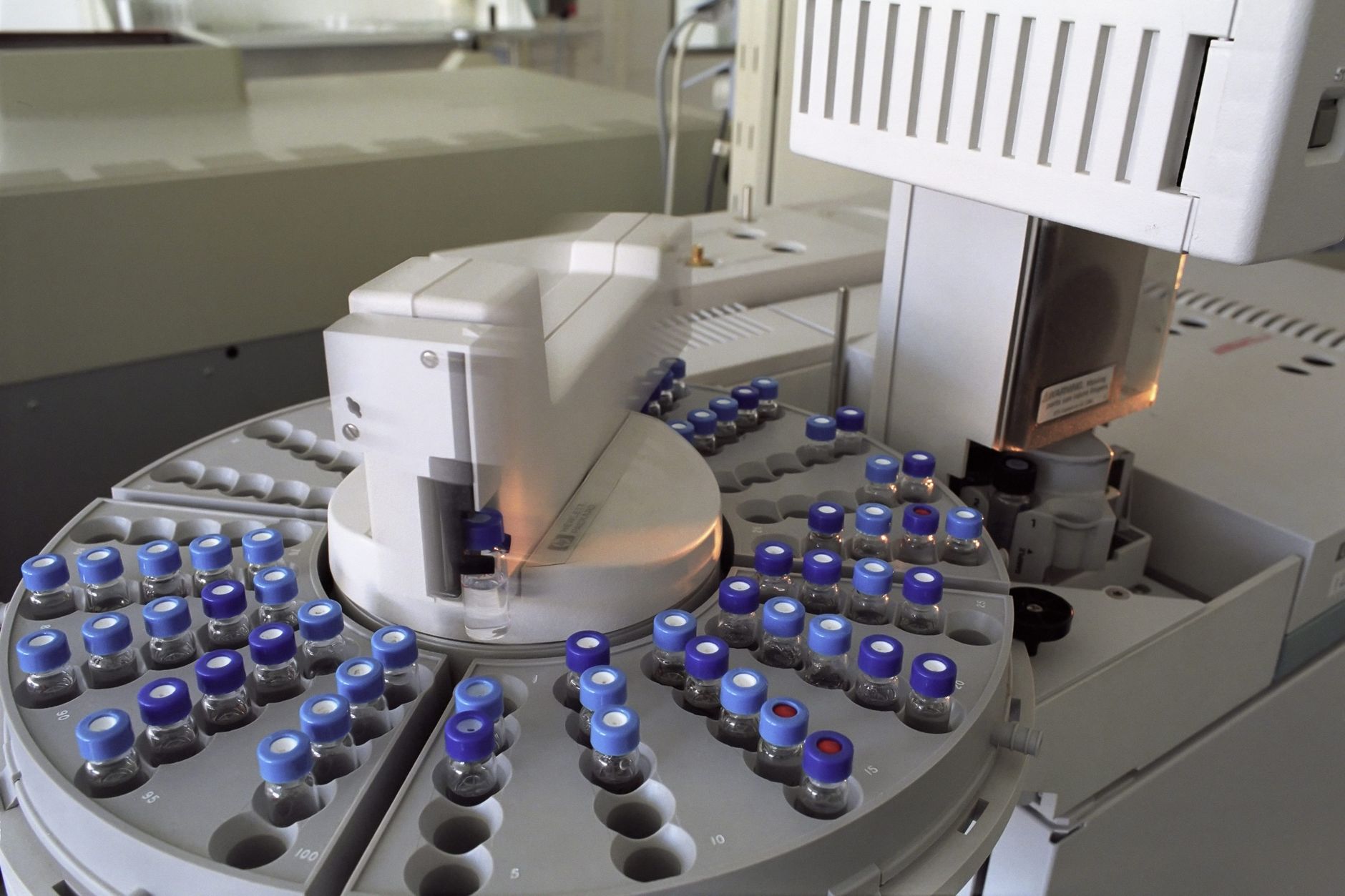
Scientific understanding is one of the strongest foundations of progress in modern pathology. As medical research continues to introduce advanced analytical techniques, digital technologies, and broader methods of investigating disease, pathology has become increasingly connected with innovation and evidence-based discovery. Dr. Wael Sakr reflects the value of this research-centered environment, where detailed investigation and scientific knowledge contribute to a deeper understanding of biological processes and support the continued advancement of modern healthcare.
Jump To
- The Expanding Scientific Role of Pathology
- Research as a Driver of Scientific Discovery
- The Value of Precision in Scientific Investigation
- Technology Expanding Research Possibilities
- Connecting Research With Healthcare Progress
- Emerging Directions in Pathology
- Conclusion
The Expanding Scientific Role of Pathology
Pathology has evolved into a multidisciplinary area that combines laboratory expertise with developments across medical science. Traditional examination methods continue to provide an important foundation, while newer approaches allow researchers to investigate disease characteristics at molecular, cellular, and digital levels.
This expansion has created opportunities to examine complex conditions through multiple scientific perspectives. By bringing different forms of evidence together, researchers can develop more comprehensive interpretations and contribute to the growing body of pathology knowledge.
Research as a Driver of Scientific Discovery
Research provides the framework through which scientific observations can become meaningful knowledge. Structured investigations allow researchers to evaluate specific questions, compare findings, and identify relationships that may not be apparent through individual observations.
In pathology, this process can contribute to a clearer understanding of disease mechanisms and diagnostic characteristics. Each research project can add to existing knowledge while opening new areas for exploration. This cumulative approach supports steady progress rather than relying on isolated discoveries.
The Value of Precision in Scientific Investigation
Accurate information is essential when developing scientific knowledge. Pathology research therefore places considerable value on carefully defined methodologies, consistent analysis, and thoughtful interpretation of findings. These practices help researchers produce information that can contribute reliably to future investigations.
Precision also supports meaningful comparisons between studies. When scientific processes are clearly structured, researchers can evaluate results more effectively and identify opportunities for improvement. This contributes to a research environment where knowledge can develop through dependable evidence.
Technology Expanding Research Possibilities
Modern technology has significantly broadened the tools available to pathology researchers. Digital pathology can support detailed image analysis and efficient management of laboratory information. Molecular techniques provide opportunities to investigate biological characteristics with greater depth, while computational systems can assist in organizing and interpreting complex datasets.
These technologies work most effectively when combined with professional expertise. Their role is to expand scientific capabilities and provide additional ways of examining information. The resulting combination of human judgment and technological resources creates valuable opportunities for pathology research.
Connecting Research With Healthcare Progress
Pathology research has significance beyond the laboratory because scientific discoveries can contribute to wider healthcare knowledge. Better understanding of disease characteristics can support the development of diagnostic concepts and encourage further investigation into medical conditions.
The broader context associated with Dr. Wael Sakr Detroit illustrates the importance of research-focused pathology within this evolving scientific landscape. A strong connection between laboratory investigation and medical development can encourage collaboration, knowledge sharing, and continued exploration across healthcare disciplines.
Emerging Directions in Pathology
Future pathology research is expected to benefit from continued progress in molecular science, digital platforms, computational analysis, and data-supported methodologies. These developments can provide increasingly detailed information about biological processes and create new opportunities for scientific discovery.
Interdisciplinary collaboration will also remain valuable. Bringing together expertise from pathology, laboratory science, medicine, and technology can encourage innovative approaches while maintaining a strong emphasis on scientific quality.
Conclusion
The advancement of pathology depends on continuous scientific investigation and the thoughtful integration of new knowledge. Research, precision, technology, and collaboration are collectively expanding the possibilities within the field. Dr. Wael Sakr reflects the importance of a research-oriented perspective in this evolving environment, where scientific understanding can contribute to broader medical progress. As pathology continues to develop, sustained research will remain an important foundation for deeper knowledge, innovative discovery, and positive healthcare advancement.
Key Points
- Pathology has evolved into a multidisciplinary area, combining laboratory expertise with advances in medical science.
- Research in pathology provides a framework for meaningful knowledge by enabling structured investigations that clarify disease mechanisms.
- Accurate information and carefully defined methodologies are crucial in pathology research for producing reliable data for future investigations.
- Modern technology, such as digital pathology and molecular techniques, has expanded the tools available for pathology researchers.
- Pathology research significantly impacts healthcare by fostering collaboration and enhancing the understanding of disease characteristics.
- Future research in pathology is expected to benefit from advancements in molecular science, digital platforms, and interdisciplinary collaboration.