Choosing a premium natural wellness product is increasingly about looking beyond packaging and promotional language. Consumers now pay closer attention to where an ingredient originates, how it is prepared, and what quality information accompanies it. For people comparing best shilajit uk options, purity, traceable sourcing, transparent composition, and reliable testing provide useful benchmarks for understanding the quality of a Himalayan resin.
Jump To
- What does purity mean in shilajit?
- Why is sourcing one of the first quality indicators?
- How does laboratory testing support product confidence?
- What makes a Certificate of Analysis useful?
- Why is fulvic acid frequently discussed?
- Does the resin’s appearance determine its quality?
- What role does responsible processing play?
- Why are trace minerals part of shilajit’s appeal?
- What should a quality-conscious consumer look for?
- How are traditional ingredients meeting modern expectations?
- What makes a premium approach valuable?
- Conclusion
What does purity mean in shilajit?
Purity begins with the quality of the original material and continues through every stage of preparation. Naturally sourced shilajit contains a complex mixture of organic substances and minerals, so careful processing is important when preparing it for everyday use.
A quality-focused product should have clear information about its preparation and composition. This gives consumers a more complete picture than appearance or texture alone can provide.
Why is sourcing one of the first quality indicators?
The natural environment has a direct connection with the identity of shilajit. Himalayan sourcing provides geographical context and connects the finished resin with the mountainous regions traditionally associated with the ingredient.
Clear sourcing information is particularly valuable because it allows consumers to understand the background of the material they are purchasing. Specific details about origin demonstrate a stronger commitment to transparency.
How does laboratory testing support product confidence?
Laboratory analysis adds an important modern layer to a traditional ingredient. Appropriate testing can provide measurable information about purity, composition, and selected contaminants.
For a mineral-rich substance, testing for elements such as lead, arsenic, mercury, and cadmium is an important quality consideration. Information about fulvic acid content can also help consumers understand the product’s natural composition.
What makes a Certificate of Analysis useful?
A Certificate of Analysis, commonly known as a COA, can turn general quality statements into documented information. A useful report may identify the tested batch, laboratory, test date, analytical results, and relevant testing parameters.
Batch-specific documentation is especially valuable because it connects laboratory results with a particular production batch. This provides greater transparency and helps consumers evaluate quality information more confidently.
Why is fulvic acid frequently discussed?
Fulvic acid is one of the naturally occurring components associated with shilajit. It contributes to the characteristic profile of the resin and is therefore commonly included in product specifications.
Rather than relying on a broad statement such as “mineral rich,” consumers can benefit from clear information about the measured composition of the product they are considering.
Does the resin’s appearance determine its quality?
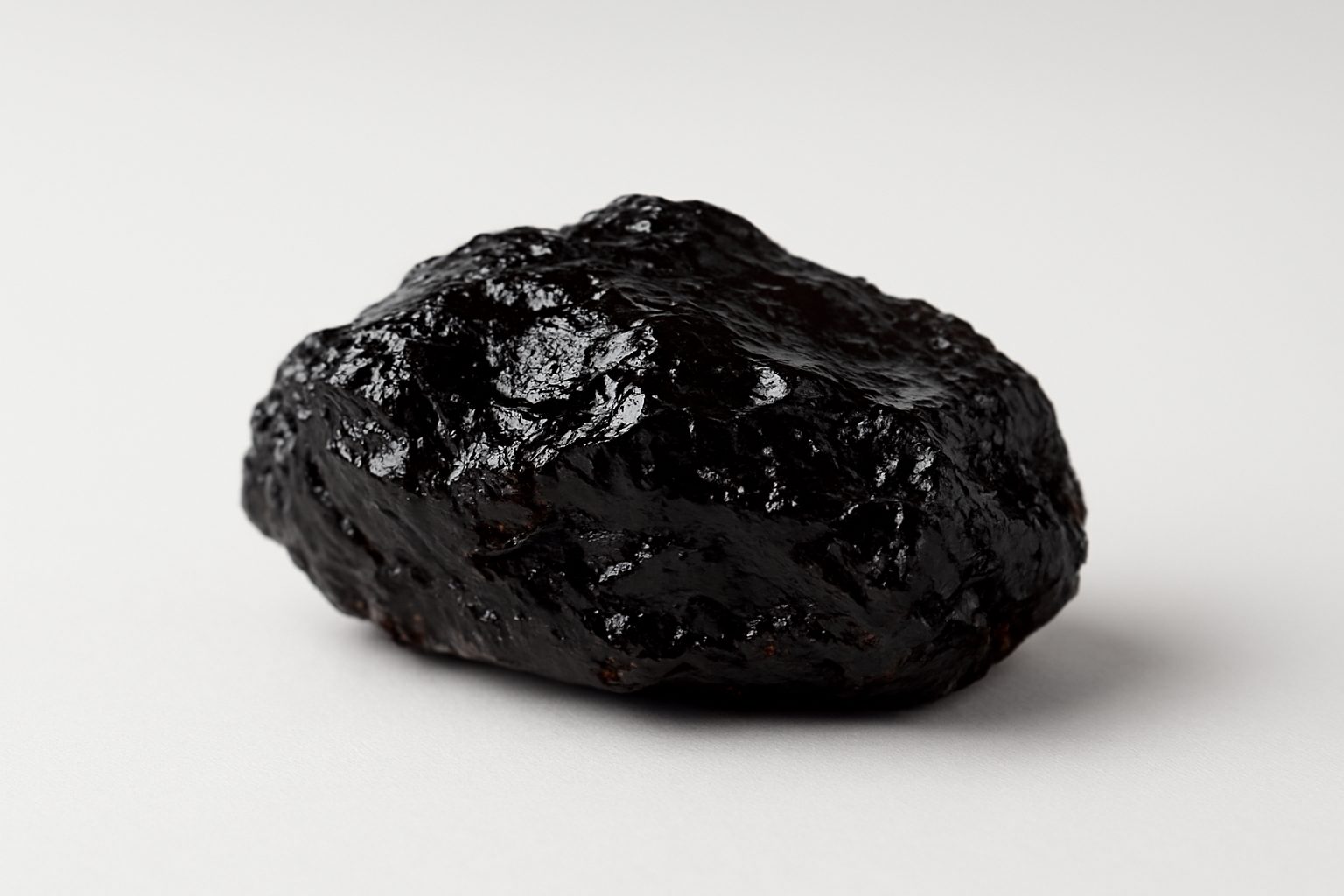
Appearance can be one characteristic of shilajit, but it should not be treated as a complete quality test. Colour, texture, and consistency can vary naturally and may also be influenced by preparation and storage.
More meaningful evaluation comes from combining physical characteristics with sourcing information, ingredient details, and laboratory documentation. This creates a more reliable overall picture of product standards.
What role does responsible processing play?
Sourcing high-quality material is only the beginning. Processing should be handled carefully to create a suitable finished resin while maintaining appropriate standards for cleanliness and consistency.
A professional quality approach considers the complete journey from raw material to finished product. Controlled preparation, hygienic handling, appropriate storage, and documented testing can all contribute to a stronger product standard.
Why are trace minerals part of shilajit’s appeal?
Shilajit naturally contains trace minerals alongside organic compounds. This mineral-rich profile is one of the characteristics that distinguishes it within the natural wellness category.
The exact mineral composition can vary according to natural source and processing. This is another reason why transparent laboratory information can be useful when evaluating different products.
What should a quality-conscious consumer look for?
A practical assessment can focus on several connected features: identifiable sourcing, clear ingredients, appropriate laboratory testing, batch information, fulvic acid data, and straightforward usage and storage guidance.
No single feature needs to define quality on its own. A combination of transparent information and responsible preparation offers a more complete basis for evaluating a premium resin.
How are traditional ingredients meeting modern expectations?
Shilajit has a long-standing traditional identity, but today’s consumers expect additional levels of transparency. Modern testing and documentation can complement traditional knowledge without changing the natural character of the ingredient.
This balance is helping naturally sourced wellness products appeal to consumers who value both heritage and measurable quality standards.
What makes a premium approach valuable?
Premium quality is ultimately about confidence. When sourcing, processing, composition, and testing are communicated clearly, consumers can make decisions based on information rather than assumptions.
For shilajit, this approach is particularly relevant because its natural origin and mineral-rich composition make responsible quality control an important part of the finished product experience.
Conclusion
Purity, sourcing, and product standards provide a practical framework for understanding high-quality shilajit. Himalayan origin establishes a clear natural identity, while careful preparation, transparent composition, fulvic acid information, trace-mineral awareness, and laboratory testing add modern confidence. For consumers seeking a premium resin, looking at the complete quality picture offers a more informed way to appreciate the natural character and traditional heritage of shilajit.
Key Points
- Consumers are increasingly focusing on ingredient origin, preparation methods, and accompanying quality information when choosing premium natural wellness products.
- Purity in shilajit starts with the quality of the original material and involves careful processing throughout preparation for everyday use.
- Laboratory testing for contaminants and compositional analysis supports consumer confidence in product quality, especially for mineral-rich substances like shilajit.
- A Certificate of Analysis (COA) provides batch-specific documentation that enhances transparency and enables consumers to evaluate product quality more confidently.
- Fulvic acid is a key component of shilajit that is often measured and discussed in product specifications to help consumers make informed choices.
- A quality-conscious consumer should assess identifiable sourcing, clear ingredient labeling, appropriate laboratory testing, and detailed product information.