
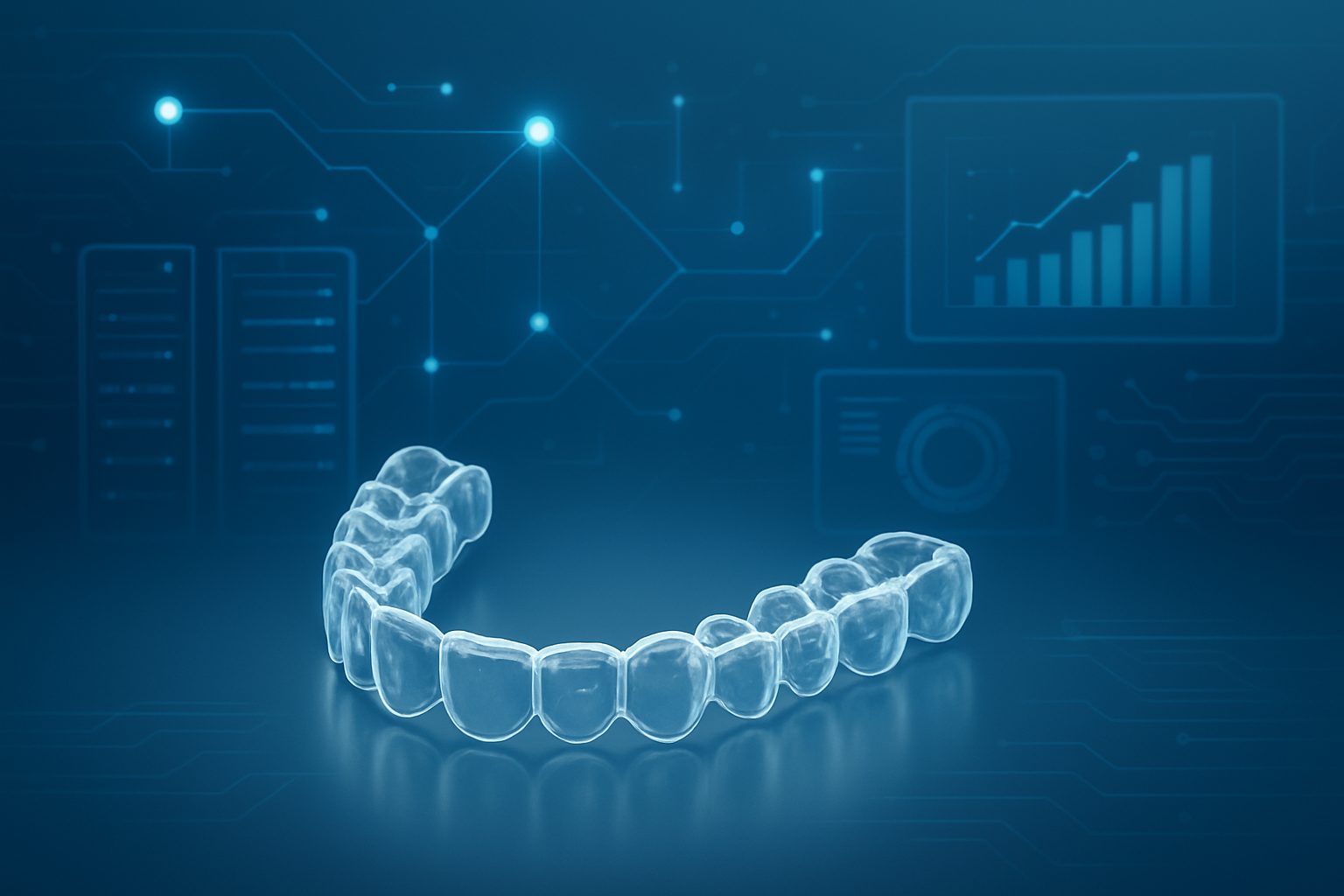
Orthodontic treatment has changed considerably over the past decade. Fixed metal appliances, once the default solution for misaligned teeth, now share the stage with a technology that is reshaping patient expectations: clear aligners. Across Munich, demand for transparent, removable orthodontic solutions has surged—and for good reason. Orthodontics Munich (KFO München) clinics have integrated these systems into everyday practice, giving adults and older teenagers a discreet, flexible alternative to traditional braces.
What Exactly Are Clear Aligners?
Clear aligners are a series of custom-fabricated, removable trays made from medical-grade thermoplastic material. Each tray is worn for approximately one to two weeks before being replaced by the next in the sequence. Over time, the progressive adjustments guide teeth into their target positions.
The entire system is designed from a 3D digital scan of the patient’s mouth, allowing for precise planning and, in many cases, a digital preview of the expected end result.
How Effective Are Clear Aligners Compared to Traditional Braces?
Clear aligners are highly effective for a defined range of cases. Clinical studies indicate that clear aligner therapy achieves comparable results to fixed appliances for mild to moderate misalignment, including spacing, crowding, and certain bite corrections.
For more complex orthodontic problems—such as significant jaw discrepancies or severe rotations—fixed braces or a combination approach may still be recommended. The key is a thorough initial assessment by a qualified orthodontist.
What Are the Main Advantages of Clear Aligner Treatment?
Patients frequently cite several benefits:
Aesthetics – The trays are nearly invisible, making them a preferred choice for professionals and adults who prefer discretion during treatment.
Removability – Unlike fixed appliances, aligners can be taken out for meals, drinks (other than water), and oral hygiene routines.
Comfort – Smooth plastic edges cause less irritation to cheeks and gums compared to metal brackets and wires.
Predictability – Digital planning tools allow orthodontists to map out the entire treatment sequence before it begins.
Are There Any Drawbacks to Clear Aligners?
Honest patient education includes the limitations. Clear aligners require a high level of discipline. The trays must be worn for 20–22 hours per day; falling short of this consistently extends treatment time or compromises results. Patients must also remember to remove and reinsert trays before and after eating—an adjustment that takes some getting used to.
Additionally, clear aligners are not suitable for every orthodontic situation. A professional evaluation is essential before determining whether this approach is appropriate.
How Much Do Clear Aligners Cost in Munich?
Pricing depends on case complexity and the specific system used. As a general reference:
Minor alignment corrections: €1,500–€2,500
Full treatment for moderate cases: €3,000–€6,000+
Most Munich orthodontic clinics offer payment plans, and some private health insurers reimburse a portion of the cost. It is worth reviewing your policy or requesting a cost breakdown during your initial consultation.
How Do I Know If I’m a Good Candidate for Clear Aligners?
The most reliable way to determine suitability is through a consultation with a registered orthodontic specialist. During this appointment, the orthodontist will assess bite relationships, tooth positions, and gum health before recommending the most appropriate treatment path.
Self-assessment tools available on some clinic websites can provide a general indication, but should not replace a professional clinical evaluation.
What Happens After Clear Aligner Treatment Ends?
Completing aligner treatment does not mark the end of orthodontic care. Retention is critical. Teeth have a natural tendency to shift back toward their original positions—a process known as relapse. Most patients are fitted with a retainer (either fixed or removable) immediately after completing treatment, and are advised to wear it consistently, often long-term.
Skipping this phase is one of the most common reasons patients see changes in their results over time. Retainer compliance is an investment in preserving everything the treatment achieved.