

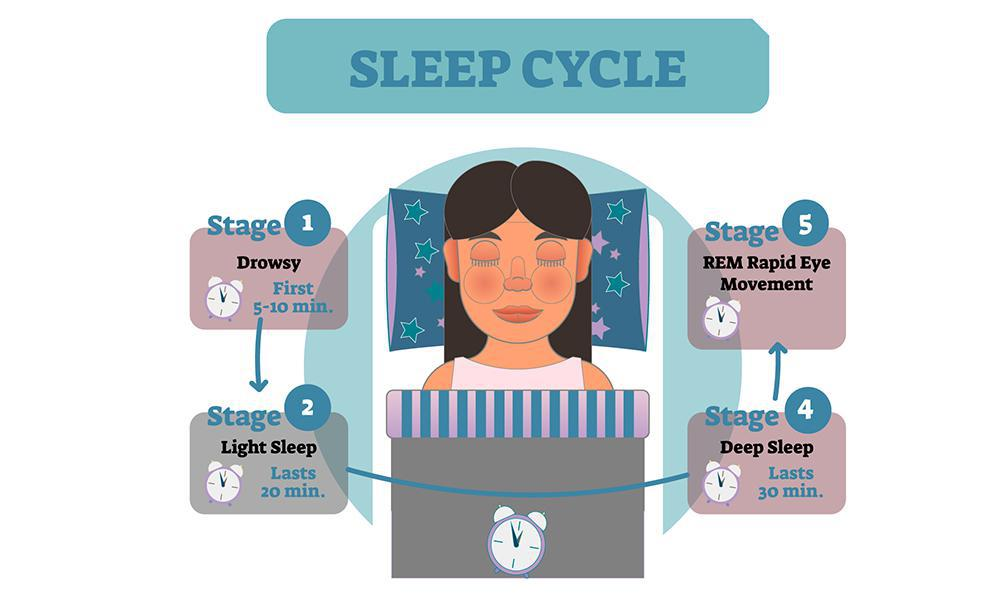
You shouldn’t try to implement every single suggestion or routine that has ever been made for improving sleep quality. Maintain a minimum of complexity in order to zero in on your optimal solution. Just choose one or two at a time and try them out for a week. The next step is to try to tack on another. You’ll find the best answer that meets your needs eventually. This approach will also allow you to critically evaluate the changes that have been made to your life.
4–6 hours before bedtime
Caffeine should be avoided for several hours before bedtime. If you want better sleep, this is the first thing you should do. Several people report being awakened for more than an hour after drinking coffee up to six hours before bedtime.
A few hours before you want to go to sleep, try lowering the temperature in the room. Test out a temperature range of 65–69 degrees Fahrenheit. By doing so, you’ll be able to lower your core body temperature by around 0.7 degrees Celsius, which is necessary for the release of important hormones including testosterone, HGHr, dopamine, and serotonin. An unambiguous marker of restorative sleep, this hormone surge precedes rapid eye movement (REM) sleep.
Ingestion before to sleep
The goal here is to eat protein (casein) sources that are slow to digest and low in sugar. The following are examples of nutritious snacks that may be eaten just before bedtime:
Whole and unsweetened milk Yogurt from Greece (vanilla-flavored casein protein powder may be added to plain yoghurt to give it more flavour and to supply more protein that digests more slowly) Cubed curd cheese
Choose something to eat that will help you digest while also satisfying your hunger pangs. These protein-packed meals are highly recommended since they include amino acids that aid in the metabolism of stress.
While searching for and preparing bedding, keep in mind the following considerations. Think about getting some new blankets and pillows. Bedding consisting of polyester, silk, satin, or any other sheer material is not recommended. Bamboo is highly suggested. Hemp sheets are a great option to use instead of traditional cotton sheets.
For those who prefer a cooler night’s sleep, bamboo is an excellent alternative to cotton because of its softness and breathable weave.
Filtering the air
If you have pets, it’s especially important to install a high-quality air filter in your bedroom. One’s ability to get a good night’s rest depends on the air’s purity. however it is often ignored. This situation just requires a simple air filter. It doesn’t have to be a high-end one; just one that can handle the dust and animal dander produced by regular living will suffice.