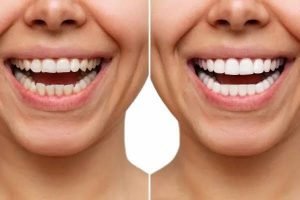

Imagine biting into an apple and feeling a sharp pain in your tooth. You wince, put the apple down, and your mind goes racing to the dreaded idea of a dental visit. The world of dentistry can seem intimidating, more so when it’s clouded with a myriad of misconceptions. From fears about routine cleanings to misconceptions about complex procedures like dental implant restoration Glendale, it’s time to clear the fog. Ready to differentiate fact from fiction? Let’s debunk some common myths about general dentistry.
Myth 1: Visiting the dentist is always painful
This is probably the most widespread myth. Yes, some procedures can cause discomfort, but dentistry has come a long way. Nowadays, dentists use modern technology and techniques to minimize any pain or discomfort.
Myth 2: Brushing your teeth hard is good for you
Truth be told, it’s not about the force you use, but the technique and consistency. Brushing hard can actually hurt your gums and teeth. A gentle, circular motion is all you need to keep your teeth clean and healthy.
Myth 3: Dental treatment should be avoided during pregnancy
This is not true. In fact, hormone changes during pregnancy can lead to oral problems like gum disease and loose teeth. Therefore, regular dental visits are crucial for expectant mothers.
Myth 4: Dental X-rays are harmful
While it’s true that X-rays involve radiation, the levels are extremely low. Dental X-rays are safe and offer a valuable tool for diagnosing dental issues that may not be visible to the naked eye.
Myth 5: If my teeth don’t hurt, I don’t need a dentist
Not all dental issues cause pain initially. Regular check-ups can catch problems early – before they hurt you physically, and financially.
Myth 6: All sugar is bad for your teeth
While it’s true that sugar can cause cavities, it’s not the only culprit. What’s worse for your teeth is the length of time that sugar is in contact with them. So, it’s important to rinse or brush after consuming sugary food or drinks.
A Closer Look at Dental Implant Restoration
Now, let’s tackle a common misconception about a more complex procedure like dental implant restoration. It’s often feared due to its invasive nature.
Myth 7: Dental implant restoration is painful
While there might be some discomfort during the healing process, most patients report that the procedure itself is no more painful than a simple tooth extraction. Plus, dental professionals use local anesthesia or sedation to ensure you’re comfortable throughout the process.
So, there you have it – some of the most common myths about dentistry, debunked. Remember, when it comes to your oral health, knowledge is power. Don’t let unfounded fears or misconceptions keep you from getting the dental care you need.