
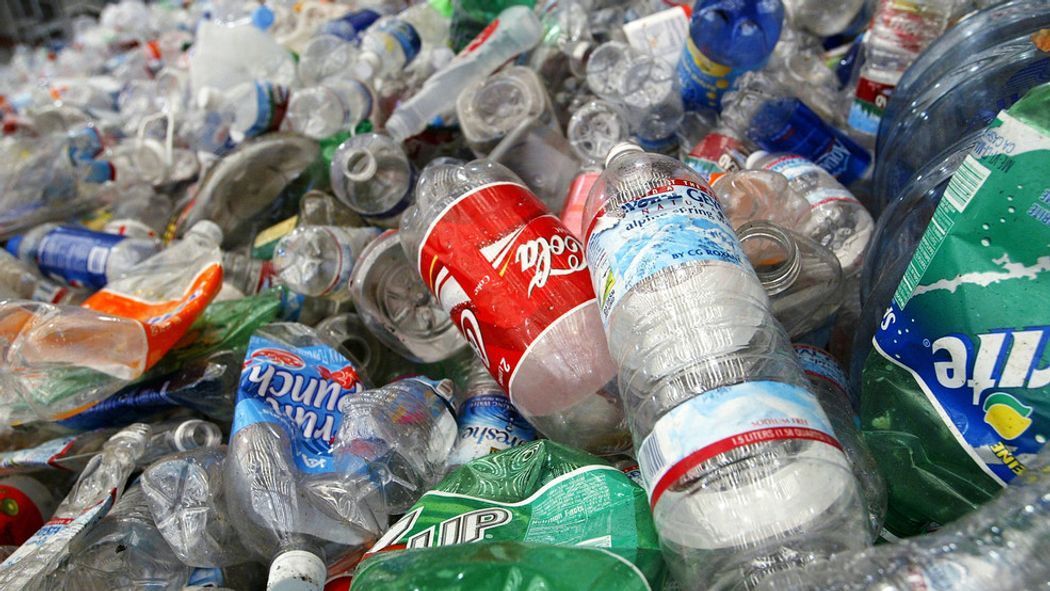
Polypropylene (PP) is a highly versatile thermoplastic used across a wide range of industries, from packaging and textiles to automotive and consumer goods. However, with its widespread usage comes a significant environmental concern—waste generation. As industries strive to reduce their carbon footprint and embrace circular economy practices, polypropylene recycling has emerged as a practical and impactful solution. Real-world case studies demonstrate how PP recycle not only reduces waste but also creates tangible value in diverse sectors.
Turning Packaging Waste into Reusable Products
One notable case involves a consumer goods company that implemented a closed-loop recycling program for its polypropylene packaging. By collecting used PP containers from distribution centers, the company was able to process and remanufacture them into new packaging materials. The program utilized advanced mechanical recycling techniques to preserve the material’s integrity, resulting in containers that met both structural and aesthetic standards.
This initiative not only reduced reliance on virgin plastic but also saved on production costs. The company reported a 30 percent reduction in raw material expenses while reinforcing its commitment to sustainability. It also fostered stronger brand loyalty, as environmentally conscious consumers appreciated the effort to minimize waste.
Industrial-Scale Recycling in Automotive Manufacturing
The automotive industry has also shown promising results in PP recycling. In one case study, an automobile parts manufacturer collaborated with a recycling facility to recover polypropylene from used car bumpers and dashboards. The collected materials were sorted, cleaned, and processed into high-grade PP pellets through a combination of mechanical and chemical recycling.
These recycled pellets were then used to produce non-structural interior components, such as trim panels and consoles. By incorporating recycled PP, the manufacturer maintained quality standards while reducing material costs and environmental impact. The initiative supported corporate sustainability targets and set a precedent for large-scale industrial recycling.
Transforming Municipal Waste into Consumer Goods
Another case study comes from a municipality that partnered with local recycling firms to transform household PP waste into functional products. Through an organized curbside collection system and state-of-the-art sorting facilities, the city was able to divert significant volumes of PP from landfills.
Recycled material was processed and repurposed into items such as outdoor furniture, garden tools, and storage bins. These products were sold through local retail channels, generating revenue while promoting environmental responsibility. The success of the program demonstrated that with the right infrastructure and public participation, even everyday household waste can become a valuable resource.
Lessons Learned and Future Opportunities
These case studies highlight several key takeaways. First, the success of PP recycling depends on proper sorting and contamination control. Clean input streams result in higher-quality recycled materials. Second, collaboration among stakeholders—manufacturers, recyclers, governments, and consumers—is essential to scaling these efforts. Finally, innovation in recycling technology continues to expand the potential applications of recycled PP, making it a competitive alternative to virgin material.
Conclusion
Polypropylene recycling is more than just a waste management strategy—it’s a value-creating opportunity. From packaging and automotive components to consumer goods, PP recycling case studies illustrate how waste can be turned into a resource with both environmental and economic benefits. As industries and communities continue to explore sustainable practices, the future of polypropylene lies not in landfills, but in innovative reuse.
